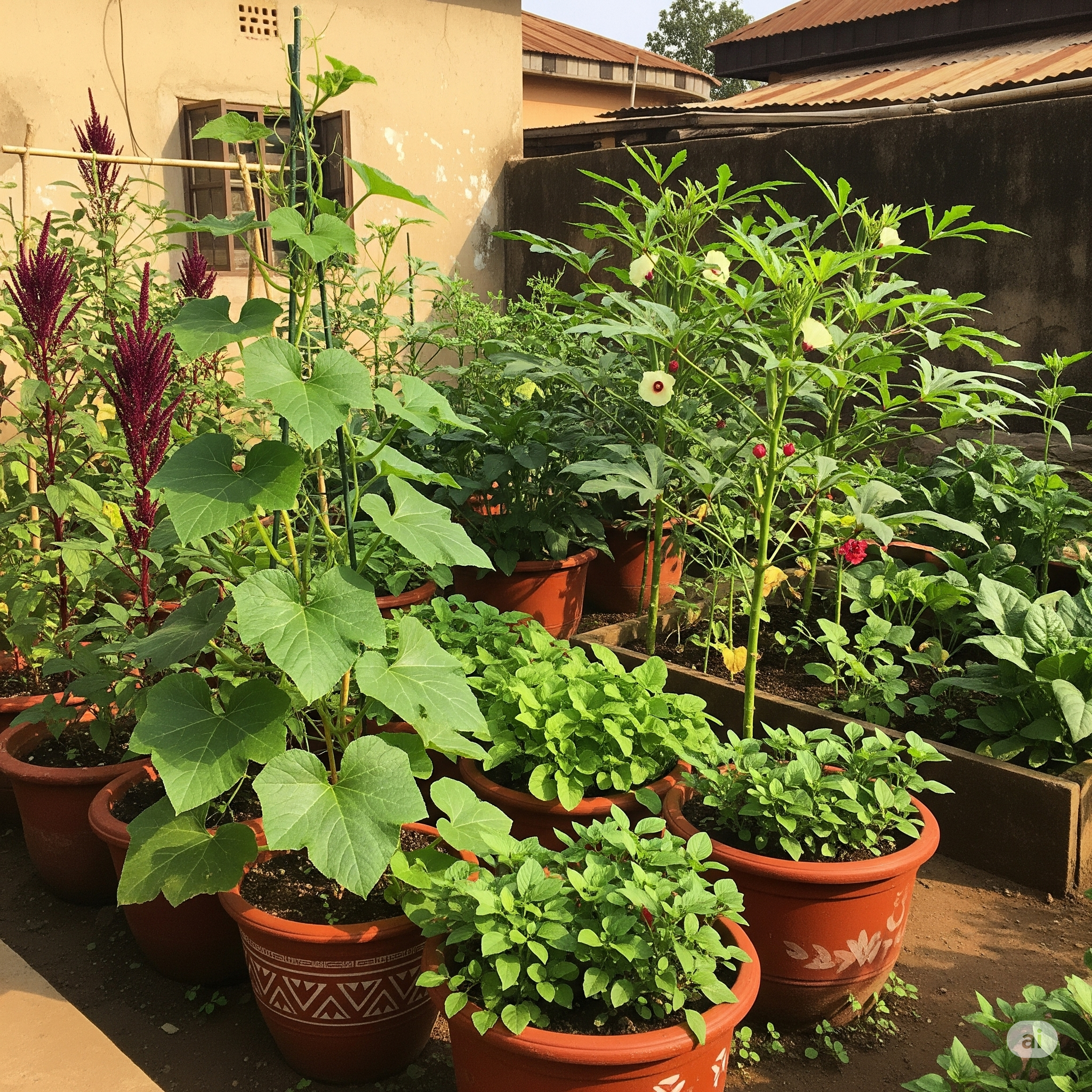
Why Grow Your Own Vegetables in Nigeria?
Freshness and Nutrition: Homegrown vegetables are harvested at their peak, retaining maximum nutrients and flavor, unlike produce that may travel long distances.
Cost Savings: Reducing reliance on market-bought vegetables can significantly cut down on grocery expenses.
Food Security: Growing your own food provides a measure of independence and contributes to household food security, especially during times of market fluctuations.
Pesticide-Free: You have complete control over what goes into your garden, ensuring your produce is free from harmful chemicals.
Therapeutic Benefits: Gardening can be a relaxing and fulfilling hobby, offering a connection to nature and a sense of accomplishment.
Getting Started: Tips for Nigerian Home Gardens 🌱
Nigeria's diverse climate zones mean that what thrives in one region might differ in another. However, some general principles apply:
Choose the Right Location: Select a spot that receives at least 6-8 hours of direct sunlight daily. If space is limited, consider container gardening on balconies or patios.
Start with Easy-to-Grow Vegetables: For beginners, focus on resilient and popular Nigerian vegetables. Good choices include:
Leafy Greens: Ugu (fluted pumpkin), Shoko (Lagos spinach), tete (amaranth), waterleaf, and bitter leaf. These grow quickly and are well-suited to the Nigerian climate.
Tomatoes and Peppers: Cherry tomatoes, local varieties of peppers (atagungun, rodo, Bawa), and bell peppers can thrive with proper care.
Okra: A staple in Nigerian cuisine, okra is relatively easy to grow and produces consistently.
Beans: Cowpeas and other local bean varieties are good for both consumption and soil health.
Prepare Your Soil: Nigerian soils vary, but most benefit from enrichment. Incorporate organic matter like compost, well-rotted manure, or leaf mold to improve fertility and drainage.
Watering Wisely: Consistent watering is crucial, especially during dry seasons. Water early in the morning or late in the evening to minimize evaporation. For container plants, check soil moisture daily.
Pest and Disease Management: Observe your plants regularly for signs of pests or diseases. Start with natural pest control methods like neem oil spray or introducing beneficial insects.
Succession Planting: To ensure a continuous harvest, plant small batches of vegetables every few weeks rather than planting everything at once.
The Rewards of a Home Garden 🏆
Embracing home vegetable gardening in Nigeria is more than just a trend; it's a sustainable practice that empowers individuals and families. From the satisfaction of harvesting your first ripe tomato to the joy of sharing homegrown produce with loved ones, the rewards are plentiful. With a little effort and understanding of local conditions, anyone can transform a small space into a thriving food haven.